How can I suppress my appetite naturally?
Learn how to suppress appetite naturally with proven foods, habits, and hormone support. Science-backed strategies to control hunger and cravings.
To suppress appetite naturally, focus on eating more protein and fiber, staying hydrated, sleeping well, and supporting your body’s own hunger hormones like GLP-1 and GIP. These evidence-based habits reduce hunger signals without stimulants or extreme dieting.
Key Takeaways
- Protein and fiber are the two most effective nutrients for curbing hunger between meals.
- Hydration, quality sleep, and stress management directly regulate appetite hormones.
- Your gut naturally produces GLP-1 and GIP, hormones that signal fullness and slow digestion.
- Small, consistent habits outperform crash diets for long-term appetite control.
What Does It Mean to Suppress Appetite Naturally?
The key takeaway: Suppressing appetite naturally means using food, lifestyle, and hormonal signals to reduce hunger — without medication, stimulants, or forced starvation.
Appetite is controlled by a network of hormones, blood sugar levels, and brain signals. When these systems work in balance, you feel full sooner and stay satisfied longer.
A natural appetite control approach works with your biology instead of overriding it. This makes results more sustainable and reduces the rebound hunger common with restrictive diets.
Why Do We Get Hungry? Understanding Appetite Hormones

The key takeaway: Hunger is driven mainly by two opposing signals — ghrelin (the “hunger hormone”) and satiety hormones like leptin, GLP-1, and GIP.
Ghrelin rises before meals and tells your brain you are hungry. After you eat, satiety hormones increase to signal fullness and slow how quickly your stomach empties.
GLP-1 (glucagon-like peptide-1) and GIP (glucose-dependent insulinotropic polypeptide) are incretin hormones released by the gut after eating. Research published by the National Center for Biotechnology Information shows these hormones play a central role in regulating appetite and blood sugar.
When your GLP-1 and GIP activity is healthy, you naturally feel full faster and crave less. This is why many natural weight loss supplement strategies aim to support the body’s own incretin response.
Quick definitions of key terms
- Ghrelin: A hormone made in the stomach that stimulates hunger.
- Leptin: A hormone from fat cells that signals fullness to the brain.
- GLP-1: A gut hormone that slows digestion and reduces appetite.
- GIP: An incretin hormone that supports insulin release and satiety after meals.
How to Suppress Appetite Naturally: 8 Proven Methods

The key takeaway: The most reliable ways to reduce hunger involve nutrient timing, hydration, sleep, and consistent daily habits — not willpower alone.
1. Prioritize protein at every meal
Protein is the single most satiating macronutrient. A study in the American Journal of Clinical Nutrition found that raising protein to 30% of calories led people to eat roughly 400 fewer calories per day without conscious restriction.
Aim for 20–30 grams of protein per meal from sources like eggs, Greek yogurt, fish, poultry, tofu, or legumes.
2. Fill up on soluble fiber
Fiber absorbs water and expands in the stomach, slowing digestion and prolonging fullness. Soluble fiber also feeds gut bacteria that stimulate satiety hormones.
Good sources include oats, beans, apples, chia seeds, and vegetables. Most adults fall short of the recommended 25–38 grams daily.
3. Drink water before meals
Water fills the stomach and can reduce how much you eat. Drinking about 500 ml (two cups) before a meal has been shown to lower calorie intake in several trials.
Thirst is also frequently mistaken for hunger, so staying hydrated throughout the day prevents unnecessary snacking.
4. Get 7–9 hours of quality sleep
Sleep deprivation raises ghrelin and lowers leptin, increasing appetite the next day. According to research summarized by the U.S. Centers for Disease Control and Prevention, adults need at least seven hours nightly for healthy metabolic function.
Poor sleep also intensifies cravings for high-calorie, high-sugar foods.
5. Manage stress and cortisol
Chronic stress elevates cortisol, which can trigger emotional eating and cravings for comfort foods. Practices like walking, breathing exercises, and meditation help regulate stress-driven hunger.
Even a 10-minute walk after eating can steady blood sugar and reduce the urge to snack.
6. Slow down and eat mindfully
It takes about 20 minutes for satiety signals to reach the brain. Eating too quickly means you often overeat before feeling full.
Chewing thoroughly, putting your fork down between bites, and eating without screens all improve fullness recognition.
7. Avoid blood sugar spikes
Refined carbohydrates and sugary drinks cause rapid blood sugar spikes followed by crashes that trigger renewed hunger. Pairing carbs with protein, fat, or fiber flattens this curve.
Stable blood sugar is one of the most overlooked keys to appetite control throughout the day.
8. Support your GLP-1 and GIP activity
Certain foods and supplements may help support the body’s natural GLP-1 and GIP activity, the same incretin pathways that pharmaceutical appetite treatments target. Protein, fiber, fermented foods, and specific plant compounds can gently encourage this response.
This is where a formula for appetite control designed to support natural incretin function — rather than override it — fits into a broader routine.
Best Natural Foods and Compounds for Appetite Control
The key takeaway: Specific foods and plant compounds are especially effective at reducing hunger because of their fiber, protein, or hormone-supporting properties.
| Food / Compound | Why It Helps | How to Use |
|---|---|---|
| Eggs | High protein, high satiety | Breakfast or snacks |
| Oats | Soluble fiber (beta-glucan) | Morning meal |
| Chia seeds | Expand in stomach, add fiber | Smoothies, yogurt |
| Green tea | Mild appetite and metabolism support | 1–3 cups daily |
| Apple cider vinegar | May slow gastric emptying | Diluted before meals |
| Legumes | Protein + fiber combo | Meals and salads |
| Fermented foods | Support gut hormone signaling | Yogurt, kimchi, kefir |
Our Editorial Take: What Actually Works Long-Term
The key takeaway: In our analysis, the people who succeed at appetite control combine several small habits rather than relying on any single “trick.”
We’ve found that stacking two or three interventions — for example, a high-protein breakfast plus water before lunch plus a consistent sleep schedule — produces far more consistent hunger reduction than isolated changes.
Here is an insight rarely covered in most guides: the timing of protein matters as much as the amount. We recommend front-loading protein at breakfast, because early satiety carries through the day and reduces late-afternoon cravings — the window when most people abandon their plans.
We also caution readers to be realistic. Natural methods work gradually, and supporting hormones like GLP-1 and GIP through diet and supplementation is a supportive strategy, not an overnight fix.
Pros
- No stimulants or injections required
- Sustainable and habit-based
- Supports overall metabolic health
- Low risk when done sensibly
Cons
- Results are gradual, not instant
- Requires consistency
- Individual response varies
Health note: This guide is for general educational purposes and is not medical advice. If you have a medical condition, take medication, are pregnant, or plan to use any supplement, consult a qualified healthcare professional first.
Common Mistakes That Increase Appetite
The key takeaway: Many people unintentionally increase their hunger through habits that seem healthy but backfire.
- Skipping meals: Often leads to overeating later due to elevated ghrelin.
- Ultra-low-fat diets: Dietary fat contributes to satiety and hormone production.
- Liquid calories: Sugary drinks add calories without triggering fullness.
- Undereating protein: The most common driver of persistent hunger.
- Chronic under-sleeping: Silently raises appetite day after day.
Frequently Asked Questions
What is the fastest way to suppress appetite naturally?
The fastest natural approach is to drink two cups of water and eat a high-protein, high-fiber snack when hunger strikes. This combination fills the stomach and slows digestion, reducing hunger within about 20 minutes as satiety signals reach the brain.
How does GLP-1 help control appetite?
GLP-1 is a gut hormone released after eating that slows stomach emptying and signals fullness to the brain. Higher GLP-1 activity generally means you feel satisfied sooner and eat less, which is why supporting natural GLP-1 activity is a common appetite-control strategy.
Can supplements help suppress appetite naturally?
Some supplements containing fiber, protein, or plant compounds that support GLP-1 and GIP activity may help reduce hunger as part of a healthy routine. They work best alongside good nutrition, hydration, and sleep rather than as standalone solutions.
What foods keep you full the longest?
High-protein foods like eggs and Greek yogurt, and high-fiber foods like oats, legumes, and chia seeds, keep you full the longest. Combining protein and fiber in the same meal produces the strongest and most lasting satiety.
Does drinking water really reduce hunger?
Yes. Drinking water before meals fills the stomach and can lower calorie intake, and staying hydrated prevents thirst from being mistaken for hunger throughout the day.
Conclusion
In summary: You can suppress appetite naturally by combining protein, fiber, hydration, sleep, stress management, and support for your body’s own GLP-1 and GIP activity.
No single habit does all the work. The most durable results come from stacking a few consistent daily practices that work with your hunger hormones rather than against them.
Start with one change — such as a high-protein breakfast or water before meals — and build from there.
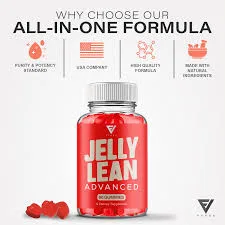
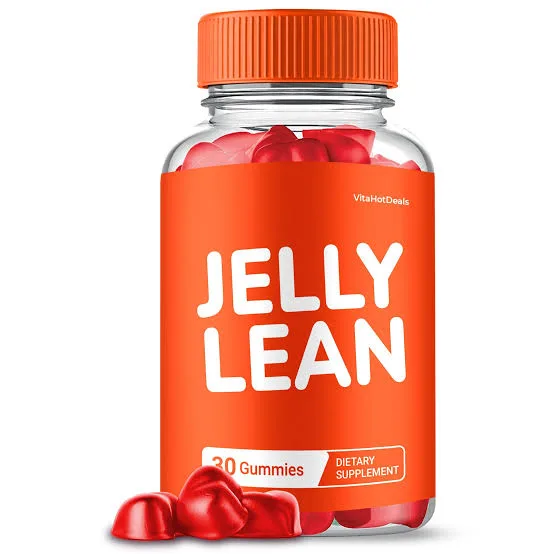
If you want to support your body’s natural hunger signals as part of the habits covered in this guide, JellyLean’s gelatin-based Weight Loss Formula was designed to support natural GLP-1 and GIP activity for appetite control and fat burning — without injections. For readers ready to pair smart nutrition with targeted hormone support, it’s a sensible next step backed by a 60-day money-back guarantee.