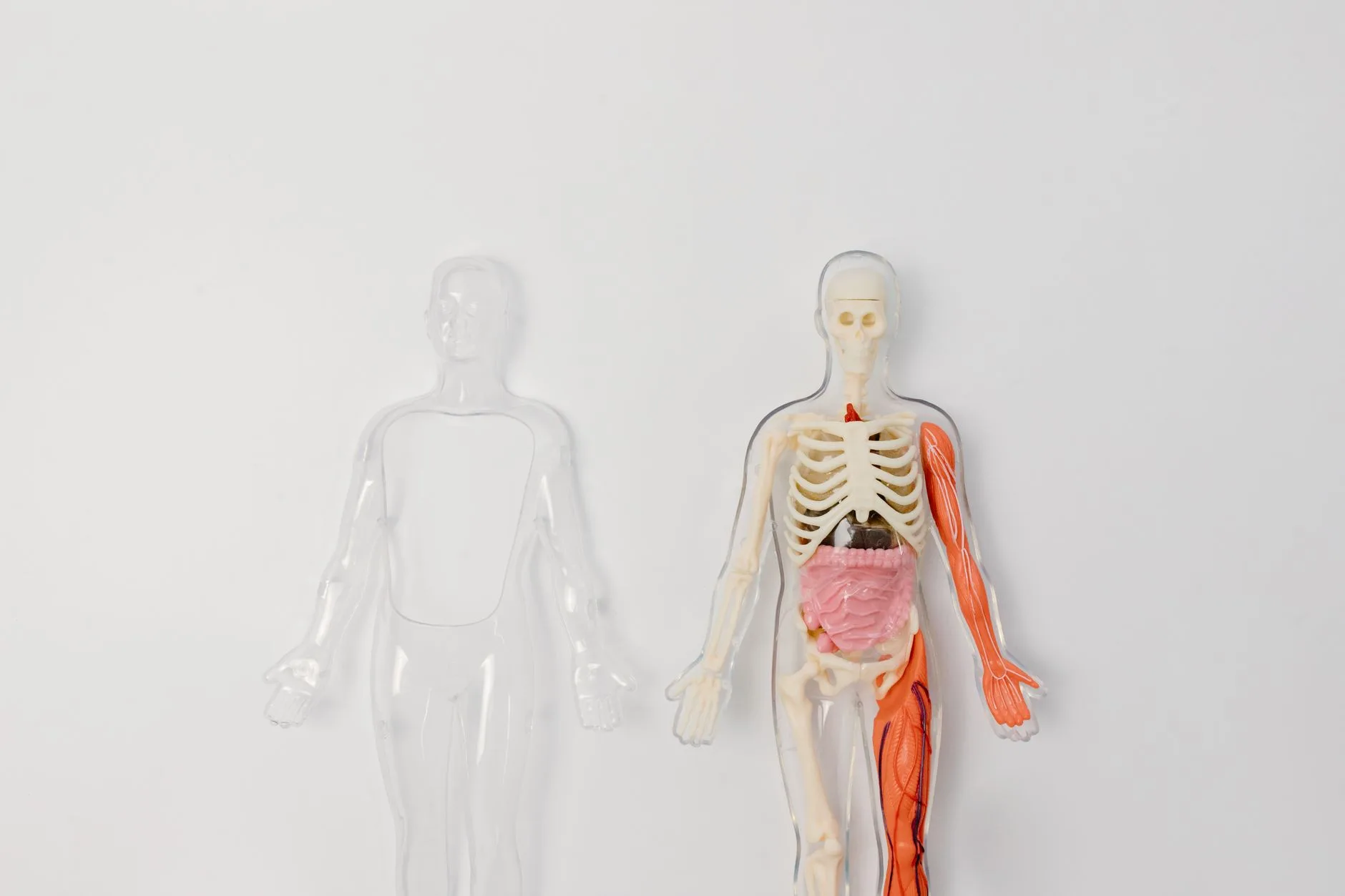
How do GLP-1 agonists work for weight loss?
How does a GLP-1 agonist work for weight loss? Learn the science behind appetite control, GIP, and metabolism support in this complete guide.
A GLP-1 agonist works for weight loss by mimicking a natural gut hormone called glucagon-like peptide-1, which slows digestion, signals fullness to the brain, and regulates blood sugar. The result is reduced appetite, smaller portions, and fewer cravings, which over time creates the calorie deficit needed to lose body fat.
Key Takeaways
- GLP-1 is a hormone your intestines release after eating; agonists imitate its effect on appetite and blood sugar.
- The main mechanisms are slower gastric emptying, increased satiety signaling, and improved insulin response.
- Some newer approaches also target GIP (another incretin hormone) for a dual metabolic effect.
- Injectable GLP-1 medications require a prescription; natural formulas aim to support the body’s own GLP-1 and GIP activity.
- Diet, protein intake, and resistance training amplify results regardless of the method used.
What Is a GLP-1 Agonist?
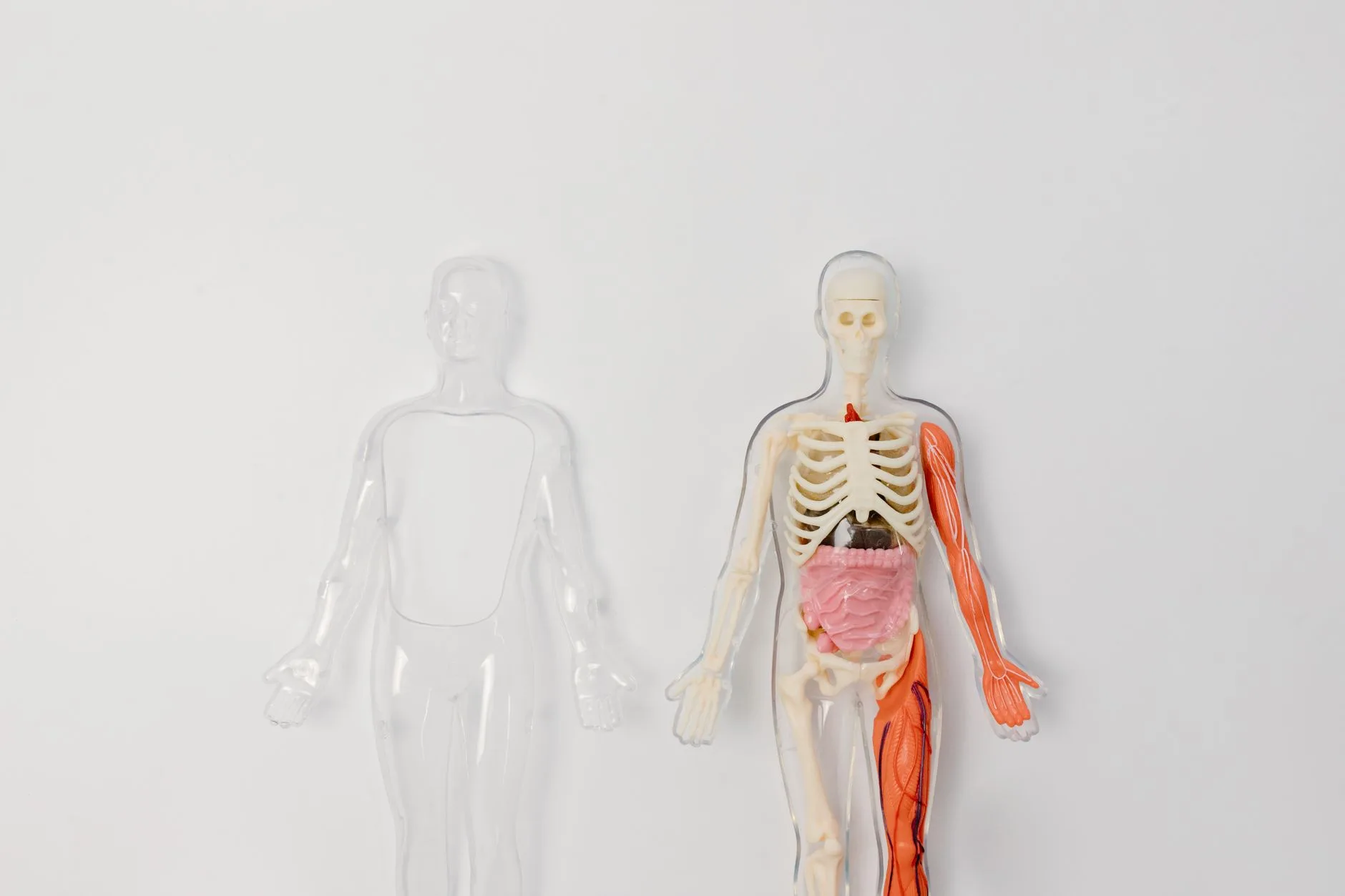
The key takeaway: A GLP-1 agonist is a compound that binds to the same receptors as the natural hormone glucagon-like peptide-1, triggering appetite reduction and better glucose control.
GLP-1 is an incretin hormone produced by cells in your small intestine after you eat. It tells your pancreas to release insulin and signals your brain that you are full.
An “agonist” is simply a molecule that activates a receptor. So a GLP-1 agonist switches on the same fullness and blood-sugar pathways that your body already uses, but more strongly and for longer.
According to the National Institute of Diabetes and Digestive and Kidney Diseases (NIDDK), incretin hormones like GLP-1 are central to how the body manages energy intake and blood glucose after meals.
How Does a GLP-1 Agonist Work for Weight Loss?

The key takeaway: A GLP-1 agonist works for weight loss through three linked mechanisms: it slows how fast your stomach empties, it strengthens the brain’s fullness signal, and it stabilizes blood sugar to reduce cravings.
Each mechanism reinforces the others, which is why the net effect on appetite is noticeable within weeks for many people.
1. Slowed Gastric Emptying
GLP-1 activity delays how quickly food leaves the stomach. Because food stays in the stomach longer, you feel full sooner and stay satisfied between meals.
This is a major reason portion sizes shrink naturally without conscious dieting.
2. Appetite and Satiety Signaling in the Brain
GLP-1 receptors exist in the hypothalamus, the brain region that governs hunger. When these receptors are activated, the brain registers satiety and reduces the drive to eat.
Many users describe a quieter “food noise” — fewer intrusive thoughts about snacking.
3. Blood Sugar and Insulin Regulation
GLP-1 prompts the pancreas to release insulin only when blood glucose is elevated, and it lowers glucagon. Steadier blood sugar means fewer energy crashes that typically trigger sugar cravings.
A review published by the National Library of Medicine (PMC) describes GLP-1 receptor agonists as effective tools for both glycemic control and weight reduction in clinical settings.
GLP-1 and GIP: The Dual Incretin Approach

The key takeaway: GIP is a second incretin hormone that, when combined with GLP-1 activity, may improve fat metabolism and appetite regulation beyond GLP-1 alone.
GIP stands for glucose-dependent insulinotropic polypeptide. Like GLP-1, it is released after eating and influences insulin response and fat storage.
Newer metabolic strategies target both GLP-1 and GIP activity together — a “dual agonist” concept. The idea is that supporting two complementary pathways produces stronger appetite and metabolic effects than a single pathway.
Research from Nature has examined how combined incretin signaling can enhance metabolic outcomes compared with single-hormone approaches.
Injectable Medications vs. Natural GLP-1 Support
The key takeaway: Prescription GLP-1 injections deliver a synthetic agonist directly, while natural formulas aim to support the body’s own GLP-1 and GIP activity through diet-derived ingredients — a gentler, non-injection route.
Injectable GLP-1 receptor agonists are approved medications used under medical supervision, typically for type 2 diabetes or clinically defined obesity.
Natural or nutritional approaches take a different angle: instead of introducing a synthetic drug, they use ingredients intended to encourage your body’s own incretin response.
| Feature | Injectable GLP-1 Agonist | Natural GLP-1/GIP Support |
|---|---|---|
| Administration | Injection | Oral (e.g., gummy/gelatin form) |
| Access | Prescription required | Over-the-counter supplement |
| Mechanism | Direct receptor activation | Supports natural hormone activity |
| Typical use | Diabetes / clinical obesity | General appetite and metabolism support |
| Medical supervision | Required | Recommended if you have conditions |
Health note: Prescription GLP-1 medications and supplements are not the same. This guide is educational and does not replace medical advice. Consult a licensed healthcare provider before starting any weight-loss product, especially if you have diabetes, thyroid conditions, or take other medications.
Our Perspective on Non-Injection GLP-1 Support
The key takeaway: In our analysis of the growing interest in GLP-1, most people asking “how does it work” are not seeking a prescription drug — they want the appetite benefits without needles or a clinic.
We’ve found that this creates a distinct category: natural weight loss supplements designed to support GLP-1 and GIP pathways in a convenient oral form rather than replicate a pharmaceutical.
Brands such as JellyLean, an official wellness store, illustrate this direction with a gelatin-based weight loss formula built around appetite control and metabolism and fat-burning support. We recommend evaluating any such product on its ingredient transparency and its money-back guarantee rather than marketing claims alone.
How to Get the Most From GLP-1 Support
The key takeaway: Whether you use a medication or a supplement, GLP-1 effects work best alongside adequate protein, resistance training, and sleep — the biology handles appetite, but habits determine body composition.
- Prioritize protein: It preserves muscle during weight loss and enhances natural satiety signals.
- Add resistance training: Muscle keeps your resting metabolism higher as you lose fat.
- Eat slowly: Slowed gastric emptying means you feel full faster — give the signal time to register.
- Stay hydrated: Supports digestion and helps reduce false hunger cues.
- Protect sleep: Poor sleep raises hunger hormones like ghrelin, working against GLP-1.
Frequently Asked Questions
How long does it take for a GLP-1 agonist to work for weight loss?
Appetite changes are often noticeable within one to three weeks as gastric emptying slows and satiety increases. Visible weight loss usually accumulates over several weeks to months, depending on diet, activity, and the specific product used.
Can you support GLP-1 naturally without injections?
Yes. Certain foods — high-fiber vegetables, protein, and healthy fats — naturally stimulate GLP-1 release. Non-injection supplements, including gelatin-based formulas, aim to support the body’s natural GLP-1 and GIP activity as a convenient alternative to injections.
What is the difference between GLP-1 and GIP?
Both are incretin hormones released after eating. GLP-1 primarily reduces appetite and improves blood sugar, while GIP plays a larger role in insulin response and fat metabolism. Combining both is the basis of the newer dual-agonist approach.
Do GLP-1 agonists reduce food cravings?
Yes. By stabilizing blood sugar and activating fullness signals in the hypothalamus, GLP-1 activity reduces the drive to snack and often quiets persistent food thoughts, sometimes described as “food noise.”
Are natural GLP-1 supplements safe?
Quality natural supplements are generally well tolerated, but ingredients vary widely. Choose products with transparent labeling and a satisfaction guarantee, and consult a healthcare provider if you have any medical conditions or take medications.
Conclusion
In summary: A GLP-1 agonist works for weight loss by slowing digestion, amplifying fullness signals to the brain, and stabilizing blood sugar — with GIP support adding a complementary metabolic layer.
Understanding this mechanism helps you choose the right path: prescription injections for clinical needs, or natural GLP-1 and GIP support for everyday appetite and metabolism management. The biology sets the stage, but consistent nutrition and movement determine your long-term results.
If reading how GLP-1 and GIP influence appetite has you looking for a non-injection way to apply the science, JellyLean’s gelatin-based formula is designed around exactly these pathways — supporting natural appetite control and fat-burning without needles, and backed by a 60-day satisfaction guarantee. It’s a straightforward next step for readers who want to put this knowledge into practice.